Chesapeake region, usa
Beginning in the Chesapeake region, needlework became a cornerstone of education and cultural expression for Women. In Maryland and Virginia, Women introduced needlework skills into colonial schools as early as the late 1600s, and through this legacy, Women like French Schoolmistress, Madam Lacombe, provided education and economic independence to women in Baltimore and other parts of the Chesapeake region.

Nova Scotia, Canada
Across the Atlantic, we reach Nova Scotia, where Black Loyalists fled after the American Revolution. Here, the art of needlework took on new significance as a tool for survival and cultural preservation. As early as the 1780s, Black women like Catherine Abernathy served as a Schoolmistress in schools sponsored by prominent charitable organizations, like the Associates of Dr. Bray. Bray schools in Preston, Halifax, and Annapolis Royal offered valued opportunities for education.

Freetown, Sierra Leone
In Sierra Leone, during the 19th Century, Black Loyalists, Liberated Africans, and others from the Caribbean created a vibrant “Krio” ethnic group. Needlework became a means of education and self-expression for Women, as it fused African traditions with European needlework techniques, empowering women and girls to assert their cultural identity and gain economic independence through their crafts.
Stitched Histories
“A Trans-Atlantic Needlework Exhibit”
Women
Continents
Stories
Upcoming Exhibits
Stitched Histories
ABOUT The Exhibit
This mixed-media art installation by renowned artist Shantelle Vanterpool weaves together the stories of four Women who made a mark in needlework history and left a legacy of empowerment and resilience. Through a unique fusion of painting and needlework, the installation brings to life the artistry, struggles, and triumphs of these women.

Stitched Histories
Recent reviews
Stitched Histories
“Four Women”
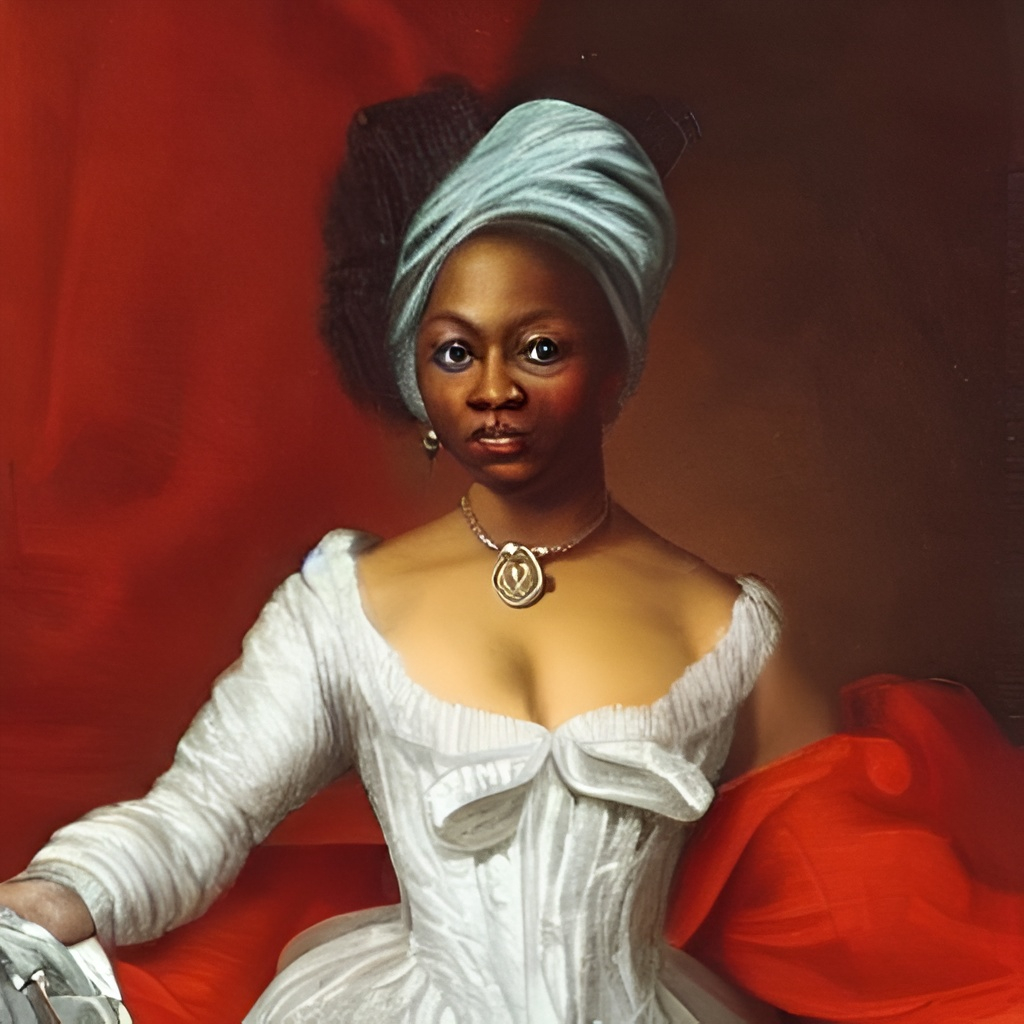
Hannah elizabeth nylander
A German-Nova Scotia Connection
Daughter of a Nova Scotian settler and German Missionary, Around 1825, Nylander created one of the earliest preserved samplers in Sierra Leone. She represents the fusion of African heritage and Westernized education in needlework artistry.
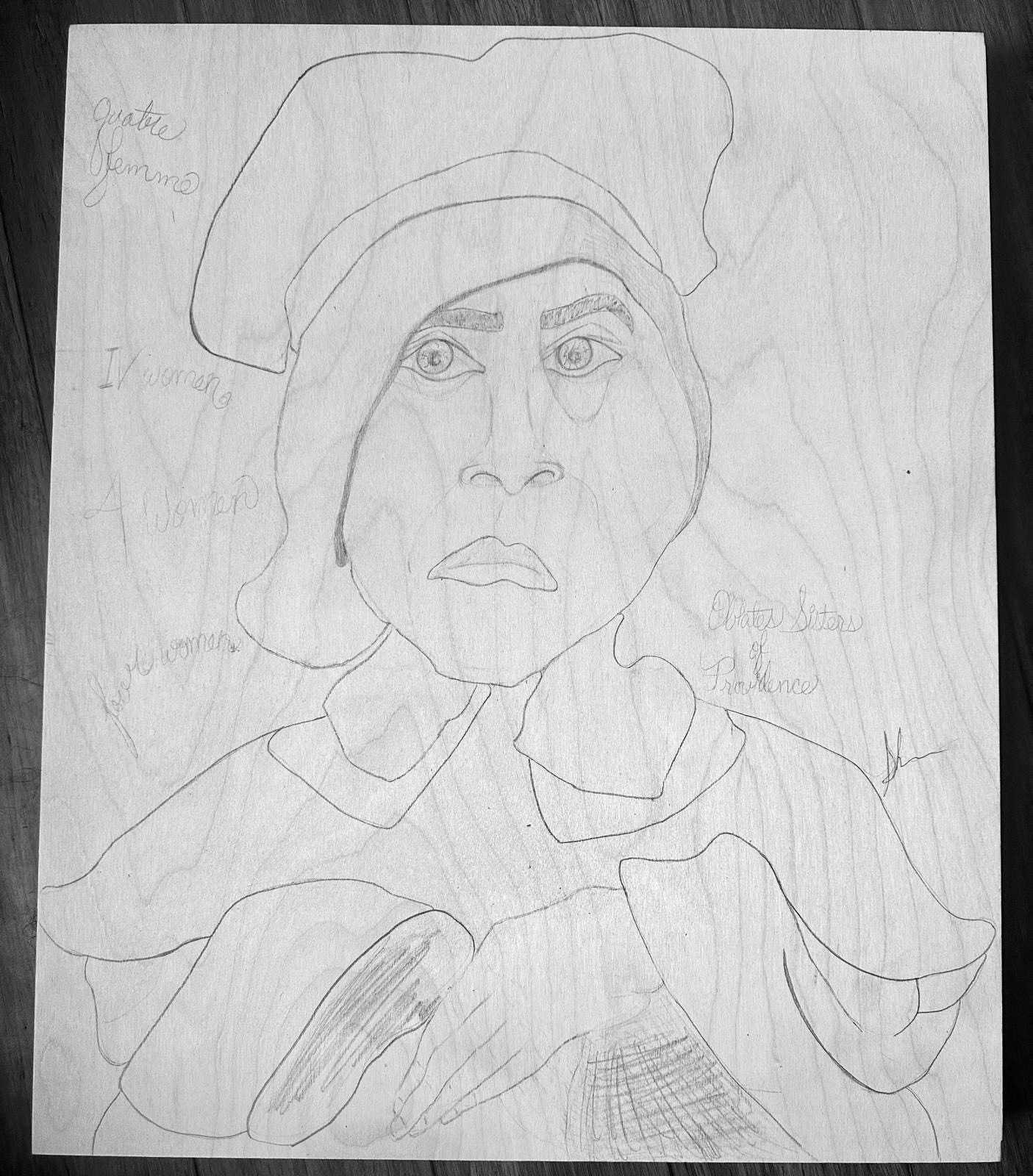
Mary Elizabeth Lange
Co-Founder of the Oblate Sisters of Providence in 1829, a Catholic Convent, Lange provided education and needlework training to Black girls in Baltimore, empowering them to achieve social and economic independence.
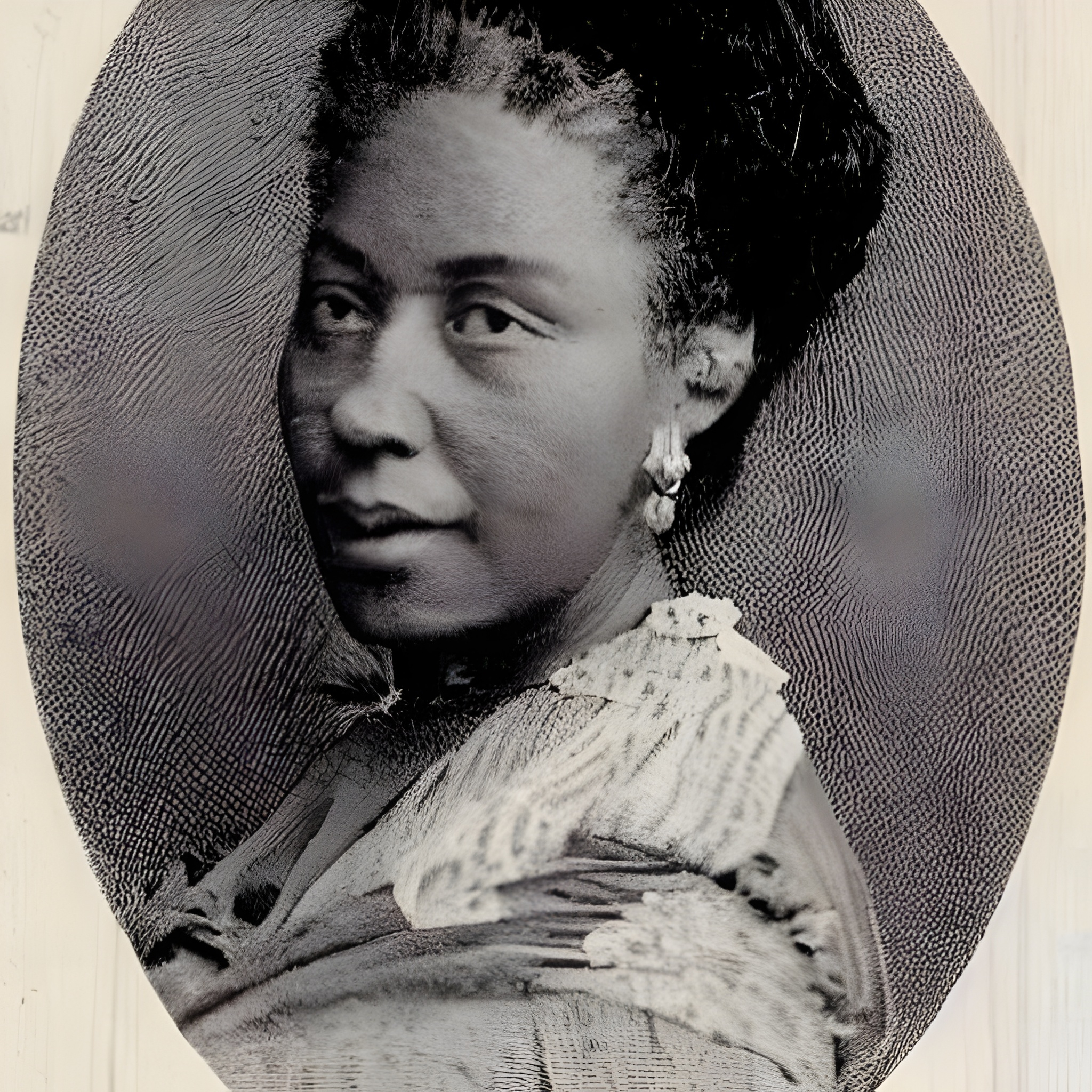
Eliza Carew
A Liberated African girl whose needlework sampler from Bathurst, created around 1844, is a testament to the resilience and artistry of Liberated Africans educated in Sierra Leone’s 19th Century Anglican Mission Schools.
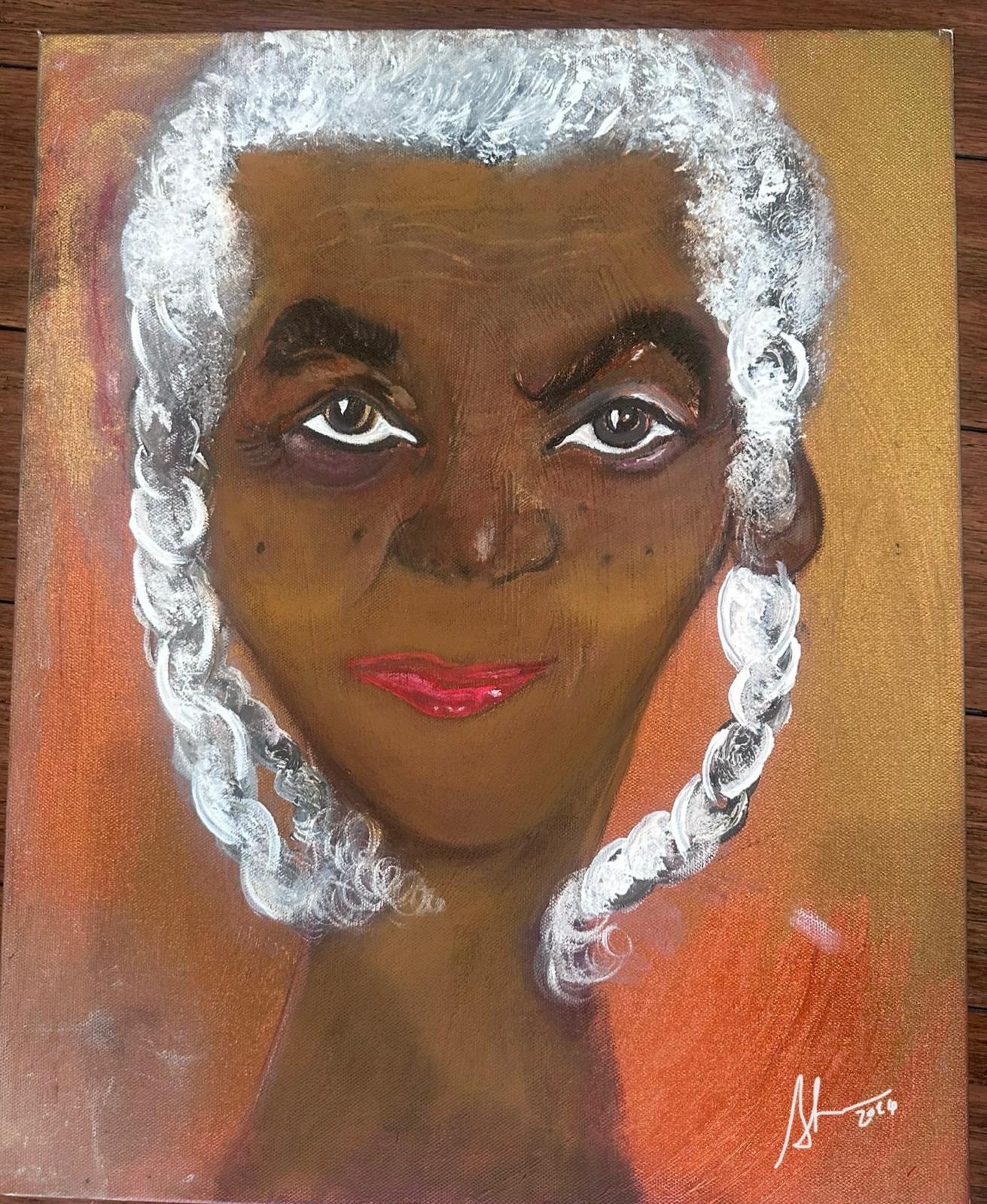
Winnifred willis
A personal figure of inspiration, Vanterpool’s grandmother symbolizes the continuity of needlework as a medium of storytelling, heritage preservation, and economic legacy. Her story echoes legacies of 19th Century schools in the Chesapeake and Nova Scotia, sponsored by the Anglican-led Dr. Bray & Associates.
Partners, Sponsors, & Contributors